
IPL Hair Reduction & Tattoo Removal
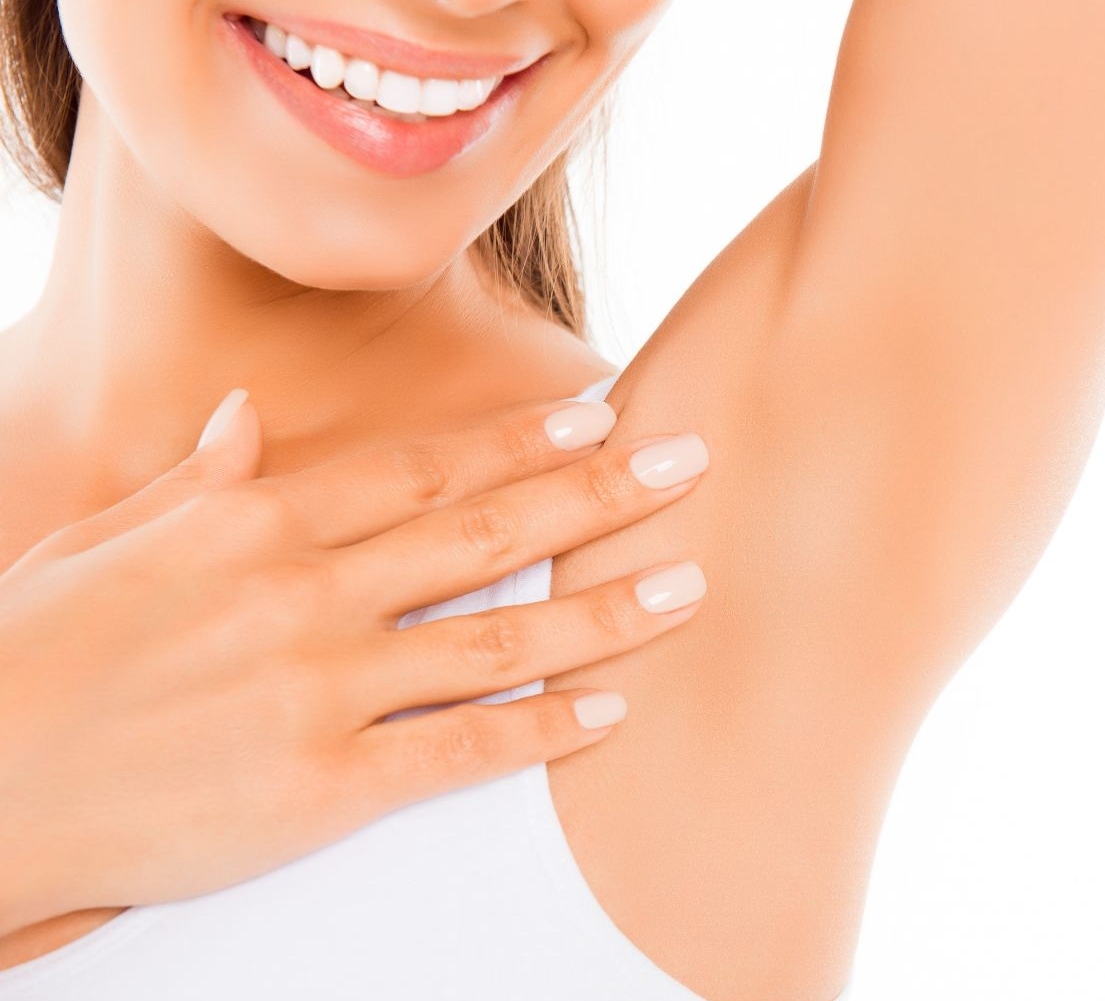
IPL (Intense Pulsed Light) technology is an innovative and effective method used for permanent hair reduction. This advanced treatment involves the use of a specialized device that emits a broad spectrum of light, specifically designed to target the pigmentation found in hair follicles. When the light from the IPL device is absorbed by the pigment in the hair, it generates a significant amount of heat. This heat then travels down the hair shaft, effectively damaging or destroying the cells that are responsible for the growth of the hair.
One of the key advantages of IPL technology is that it is most effective on dark hair. This is because the pigment in darker hair absorbs the light more efficiently, allowing for a greater build-up of energy that converts into heat. As the energy intensifies, it selectively disables the cells within the hair follicle that produce new hairs. Over time and with a series of treatments, this process leads to a significant reduction in hair growth, resulting in smoother and more refined skin.
It is important to note that IPL treatments target hair that is in the growth phase, known as the anagen phase. Hair growth occurs in cycles, and not all hairs are in this phase at the same time. Therefore, individual factors such as hair color, hair location on the body, and the specific growth cycle will influence the overall effectiveness of the treatment. For example, fine or light-colored hair may not respond as effectively to IPL due to the lack of sufficient pigment for the light to target.
This treatment is generally considered a safe and non-invasive option for reducing unwanted hair, requiring minimal downtime and allowing individuals to return to their daily activities shortly after the procedure.
Frequently Asked Questions
How many sessions will I need for effective hair reduction?
The number of sessions required can vary depending on several factors, including hair color, body location, and individual growth cycles. On average, clients typically require between six to ten sessions for optimal results.
Can IPL be used on all skin tones and hair colors?
No, IPL works best on individuals with lighter skin tones and darker hair. This contrast allows the treatment to effectively target the pigment in the hair without affecting the surrounding skin. It is generally effective for Fitzpatrick skin types I to IV.
Is the treatment painful?
Most individuals report that IPL treatments feel like a mild snapping sensation on the skin. While sensations can vary, the procedure is generally well-tolerated
What can I expect after the treatment?
After an IPL session, you may experience mild redness or a sunburn-like sensation in the treated area. This typically subsides quickly. It’s important to follow any aftercare instructions provided by your Therpaist to ensure optimal healing and results.
How long does a session take?
Session lengths can vary based on the area being treated but usually last between 20 to 60 minutes.
Are there any side effects?
Side effects are usually minimal but can include temporary redness, swelling, or discoloration in the treated areas. These effects typically resolve on their own shortly after treatment
How should I prepare for an IPL session?
Prior to your session, we advise to avoid sun exposure, tanning products and aromatherapy products for at least 10 days. Additionally, shaving the treatment area a day before the appointment will help enhance the effectiveness of the treatment.
Q-Switched Nd:YAG Laser
Overview
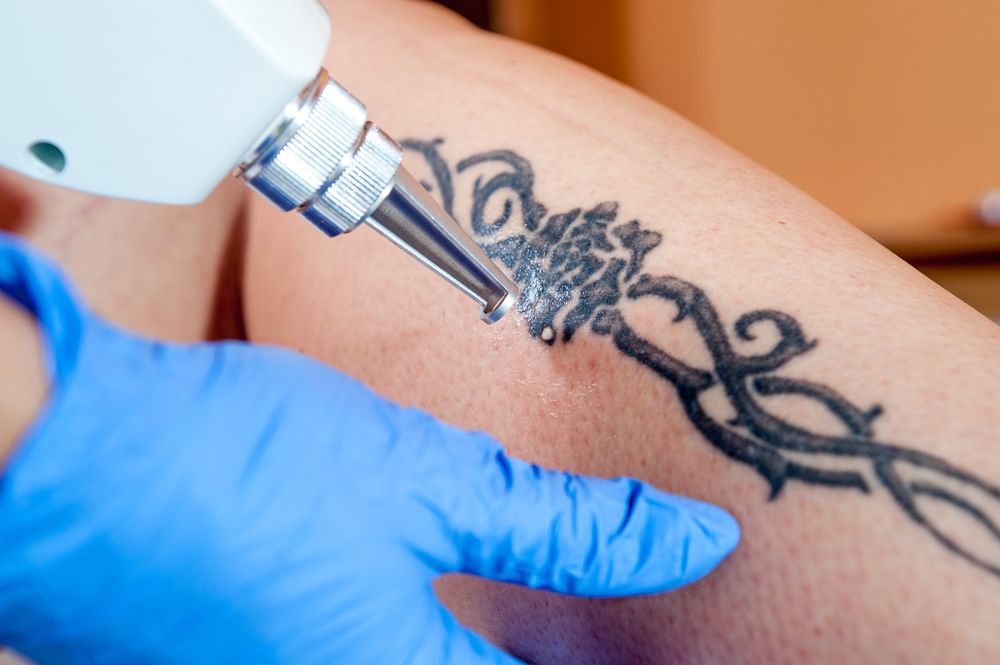
The Q-Switched Nd:YAG Laser is a highly effective method for gradually removing unwanted tattoos. This technology utilizes powerful bursts of light to target and break down tattoo ink without damaging the surrounding skin.
How It Works
During the tattoo removal process, the Q-Switched Nd:YAG Laser emits short, intense pulses of light that penetrate the skin. When this light reaches the tattoo ink, it causes the ink particles to shatter into tiny fragments. The energy from the laser effectively disrupts the ink's bonds, breaking it down so that it can be more easily absorbed by the body.
Once the ink is broken into minuscule particles, the body begins the process of removing these fragments. The immune system plays a crucial role in this, as the small particles are transported via the lymphatic system to be expelled from the body. Over a series of treatment sessions, you will notice the tattoo fading significantly as more ink is eliminated with each session.
Benefits
Effective Ink Reduction: The Q-Switched Nd:YAG Laser is particularly effective for removing dark inks, such as black and blue, as these colors absorb the laser light more efficiently.
Minimal Skin Damage: The precision of the laser ensures that surrounding skin is left mostly unharmed, leading to a lower risk of scarring.
Progressive Results: Tattoo removal typically requires multiple sessions, with noticeable fading occurring after each appointment, allowing for a gradual and manageable process.
Frequently Asked Questions
How long will it take to completely remove the tattoo?
Everyone is different but smaller tattoos and cosmetic tattoos, will take less time than larger tattoos.
Black, dark blue, brown and dark green inks are far easier to remove than yellow, red and orange which can be difficult.
The detail of the tattoo can also alter the time it takes, as more intricate designs will require more work
How long does it take to recover from Laser Tattoo removal?
Everyone is different; for some people, it takes a week, for others it can take up to two weeks to recover. In general, the more treatments you receive, the quicker you will recover. Recovery can also be sped up if you follow all aftercare precautions.
Is Laser Tattoo removal safe?
There is no evidence to suggest that the treatment can lead to skin disorders or an increased risk of cancer. There is a risk of scarring but this can be reduced by following the correct aftercare advise. If you are unsure if the treatment is suitable for you, we would always recommend you seek advise from your GP or healthcare practitioner.
How long do I need to wait between sessions?
Patience is essential part of the Tattoo Removal process, waiting longer between sessions wont negativity impact the process and so we recommend waiting between 6 – 8 weeks between treatments, this gives your skin adequate time to heal and repair.
Is Tattoo removal the same as Cosmetic Tattoo removal
It is very similar and breaks down the pigment into small fragments which the body removes naturally. In many instances, the removal of cosmetic tattoos is faster than tattoo removal and requires fewer treatments.
Hair Reduction
Upper Lip - £50
Chin or Cheek - £50
Lip & Chin - £56
Neck - £56
Sides of Face - £50
Standard Bikini - £69
Brazilian Bikini - £80
Underarm - £50
Full Leg - £97
Half Leg - £68
Full Arm - £80
Chest or Back - £80
A Consultation and Patch Test is required, the fee is fully refundable against any treatment booked - £20

Tattoo Removal
Small Area (3" x 3") - £42
Medium Area (4" x 4") - £60
Large Area (5" x 5") - £84
Eyebrow Micro-blading Removal - £60
A Consultation and Test Patch is required, the fee is fully refundable against any treatment booked - £20